A Sticking Brake is one of the problems we see most often. Drivers shrug it off until the car starts acting strange. And we get why, because nothing hurts at first. But a caliper that won’t let go is chewing up your brakes every mile you drive. This extra friction also creates high heat that can damage other expensive parts quickly. Our team will explain what happens when brake calipers stick and how the problem affects your vehicle.
How Stuck Calipers Mess With Your Braking
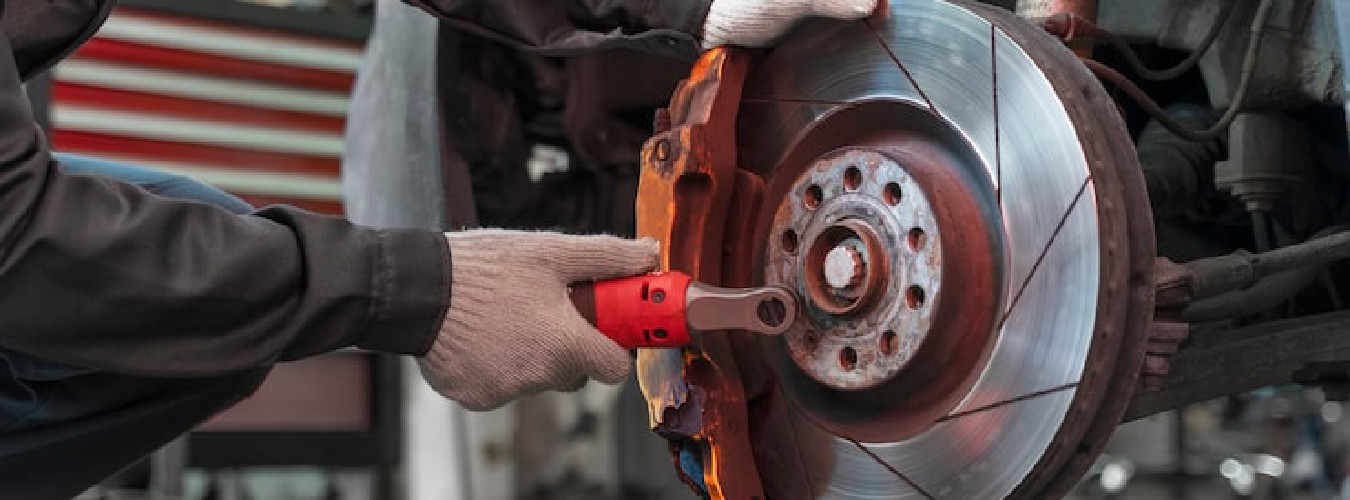
In disc brakes, the caliper holds the brake pads in place. When you step on the pedal, hydraulic pressure pushes the caliper piston, pressing the brake pads against the rotating disc to slow the vehicle. That’s what you’re actually feeling when you slow down. The team at Hage Kobany Transmissions & Auto Service knows how important this process is. When you remove your foot from the pedal, you want the clamp to loosen. But if it doesn’t, just a little bit, the pad will rub the disc as you’re rolling along.
Common Causes of Brake Calipers Sticking
It’s almost always just due to rust. Water and road salt invade and attach to them. The other problem is old brake fluid, which absorbs moisture as it sits for months or years. A worn brake hose can also trap pressure in the line. And nobody notices any of this when they skip brake checks. But a quick look now and then catches most of it early.
Warning Signs of Sticking Brake Calipers
Your car usually gives you hints, so pay attention. If you notice a burnt smell after a drive. You might hear a noise or a grind from one wheel. One wheel may be covered in way more dust than the others. And the car may pull or shake when you slow down. But the easiest test is to touch the wheels after a drive, carefully. One that is much hotter than the rest is a red flag. Once you notice any of this, start looking for Brake Repair in Minneapolis, MN before the damage spreads.
How Sticking Brake Calipers Cause Uneven Brake Pad Wear
A stuck caliper keeps its pad pressed on the disc all the time. That pad wears out much faster than the ones on the other wheels. Sometimes the inner pad is nearly gone while the outer one looks fine. And a pad worn like that can’t grip the way it should. But the higher cost shows up later, because you replace pads sooner than planned.
Repairing or Replacing Sticking Brake Calipers
These fixes depend on the damage. Sometimes a proper cleaning, fresh slide pins, and new brakes reduce the chance of repair. Other times the caliper is too rusty or worn, and replacing it is the smarter move. But please don’t guess or try a shortcut. Brakes are your safety gear, so let a trained mechanic handle them. If you need brake repair, bring your car to Hage Kobany Transmissions & Auto Service, and we will tell you honestly what your sticking caliper needs. While you’re thinking about car trouble, don’t forget the engine, because small noises under the hood matter too, and you can read more about Engine Component Repair before they grow into big bills.
The Effect of Sticking Brake Calipers on Vehicle Control
You trust your car to go where you point it. A stuck caliper makes it harder to control. The car may pull to one side if you press the brake pedal, which is a clear sign you need Brake Repair in Minneapolis, MN. The steering may also feel less stable. And rain or ice makes it worse, since one side grips differently from the other. But the worst part is the constant fight with the wheel just to hold your lane.
How Sticking Brake Calipers Cause Excessive Heat
Rub your hands together fast and you’ll feel it. Friction makes heat. Now imagine a pad rubbing a spinning disc for miles. The disc can get hot enough to warp or crack. And hot brakes also boil the fluide that is that is present in this system. This boiling fluid makes the bubbles, and these bubbles soften the pedal, and this soft pedal reduces the stopping power when you need more power. Learn more about brake efficiency and how overheating affects braking performance to understand why keeping your braking system in good condition is important.
Safety Risks of Driving With Sticking Brake Calipers
Let me be straight with you. Driving on a stuck caliper is a gamble. The extra heat can ruin a wheel bearing, and in rare cases it can even start a fire. And weak brakes can lead to a crash that hurts you and other people on the road. But it doesn’t have to go that far. At Hage Kobany Transmissions & Auto Service, we would rather fix a small issue today than see you with a scary one tomorrow. A Sticking Brake never heals on its own. It only gets worse.
- Premature Brake Component Wear: Pads, discs, and seals are meant to work only when you press the pedal. A stuck caliper makes them work nonstop, so they tire out long before their time. Fix it early, because one bad part will pull the rest down with it.
How Sticking Brake Calipers Can Increase Braking Distance
Braking distance is simply how far you travel before the car stops. Good brakes keep it short. A Sticking Brake makes the braking force uneven, so you need more than usual on the road. And at highway speed, that extra distance is no joke. But you will not feel it until the day you really need it.
Conclusion
Usually, a stuck caliper looks so easy, but it affects your stopping power and your control. And handling a stuck brake early keeps you safe and saves money. But you don’t have to figure it out alone. Just contact us at Hage Kobany Transmissions & Auto Service, and we will get you back on the road safely.
FAQs
How Do I Know If My Caliper Is Stuck?
Check for a burning smell when you start the car or one wheel pulling to one side then the other. Odd noises are another hint.
Can I Keep Driving With A Stuck Caliper?
We would say no it hurts your stopping power and builds heat fast, so get it checked soon. Otherwise, there will be serious damage to occur in the brake system.
How Do I Prevent Calipers From Sticking?
If you want to prevent the caliper from sticking than you have to check the fluide of the break and change it regularly. Also, clean the dirt from the wheel. We are here to help you if you have any type of issue.