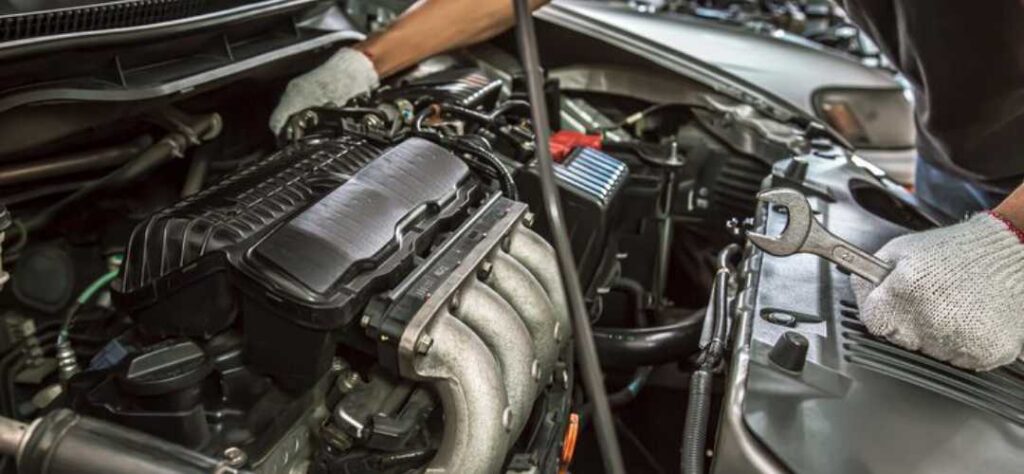
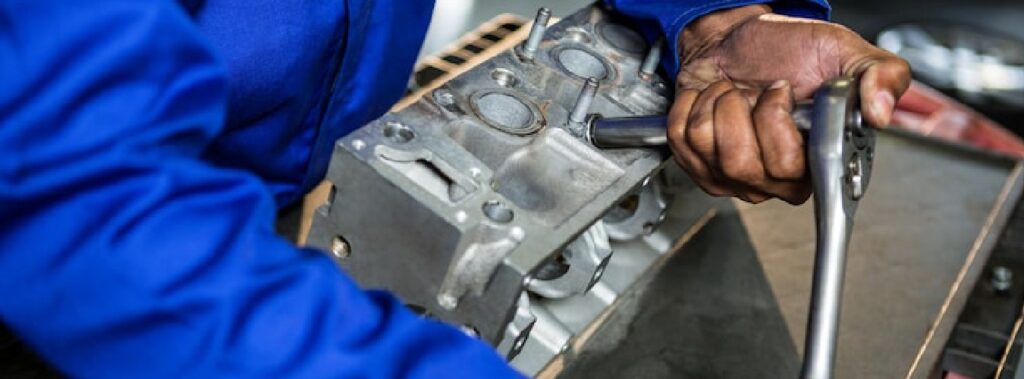
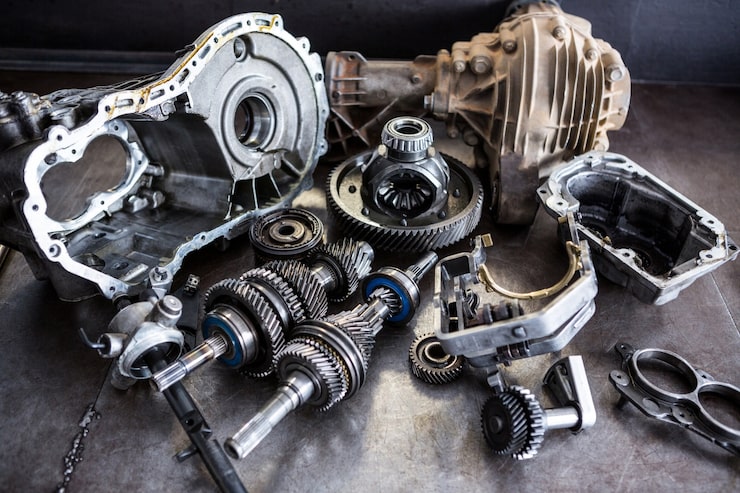
Expert Brake repair in Minneapolis, MN gives drivers control against icy city streets when black ice, deep snow, and sub-zero temps blanket Minneapolis streets. Skilled repair specialists check brake pads and rotors, metal brake lines, calipers, and brake fluid for signs of early brake pad wear before winter weather hits. Top condition brakes shorten stopping distances, prevent skidding across ice patches at stoplights, and help your anti lock brake system keep the car from pulsing during emergency stops. Hage Kobany Transmissions & Auto Service offers reliable brake diagnostics and repairs for drivers throughout Minneapolis and nearby towns in the Twin Cities. Minnesota winter storms combine loads of city installed road salt, slushy streets, and frozen temps at night that stress and wear out even the best mechanical system. Regular brake checks prior to the dreaded first snowfall avoid the frustration of last minute roadside failure.
Restoring Pad Friction and Rotor Smoothness for Slick Pavement
As temps go below zero, brake pad material becomes rigid and the wear caused by potholes in winter’s rough roads punishes metal rotors. Old pads or chronically grooved rotors will not be able to push evenly and consistently on tires already struggling for grip on snow and ice. Scheduling Brake repair in Minneapolis, MN involves technician inspections of pad life remaining and thickness measurements for warped or excessively scored rotors. Replacing pads along with true, smooth rotors causes no more pedal pulsations and prevents pulling left or right when brakes are applied. Uniform brake pressure across all wheels also ensures anti lock sensors and controllers can accurately gauge wheel traction instead of prematurely locking a tire to slick pavement.
How to Protect Caliper Pins and Hydraulic Lines From Harsh Road Salt
De-icing chemicals and slush spray onto the bottom of cars all winter long. In exposed steel parts, this results in speeded up rust. When guide pins in a caliper rust and bind, the brake pads can either drag against the rotor while you are trying to slow down or not fully retract when you take your foot off the brake pedal. Mechanics remove all the winter slush, lubricate the sliding hardware with high temperature synthetic lubricant, and inspect steel brake lines and rubber hoses for blistered or cracked rusted areas. Replacing rusted brake lines or sticking calipers prior to brake fluid leaks in the spring saves money and helps ensure equal braking performance on both sides of the car.
Flushing Old Brake Fluid and Checking Wheel Speed Sensors Before Deep Freezes
Brake fluid attracts humidity from the air over time, leading to less hydraulic effectiveness once sub-zero temperatures hit Minnesota. Water contamination in aged fluid can lead to internal corrosion of brake components or frozen ice particles that create a soft or mushy brake pedal when you need precise control the most. Our technicians check fluid condition and give your vehicle an entire brake flush with fresh fluid to protect the master cylinder and calipers, even during the coldest of spells. We also inspect wheel speed sensors and the wiring harness for signs of the anti lock warning light so computer assisted braking is always ready to stop on icy roads. Call Hage Kobany Transmissions & Auto Service today to schedule your winter brake check.
Frequently Asked Questions
How do I know whether my brakes are due for some work before the snow hits?
If you notice squealing or grinding sounds, your brake pedal is soft or vibrating, or there is a warning light on your dashboard that indicates brake issues, your system needs to be checked immediately.
Why do brake parts decay faster in the winter with Minneapolis road salt?
Salt and slush turn moisture onto steel brake lines, rotors, and caliper brackets, creating rust that can cause calipers to stick or fluid lines to leak.
What does this mean for old brake fluid not being replaced before sub zero temperatures?
Old fluid that is absorbing water can cause internal corrosion on hydraulic parts and solidify or freeze during extended cold snaps, decreasing pedal response.