Regular maintenance of internal fluids is essential to keep your vehicle running smoothly. Engine Oil is also a key component in preventing metal components from rubbing and overheating when they are in motion. This is an important fluid that deteriorates over time and can cause thick deposits to build up within your motor. These deposits will form a blockage in the flow of fluids and can result in significant mechanical issues if they are not resolved. When drivers experience odd engine issues or a drop in performance, they frequently come to Hage Kobany Transmissions & Auto Service with questions. Knowing what this thick buildup is will help you safeguard your vehicle and keep it on the road today.
How The Oil Sludge Is Formed Inside The Engine
Extreme operating temperatures for extended periods of time will cause Engine Oil to degrade over time. The fluid becomes contaminated with dirt, unburned fuel and minuscule metal particles. As the fluid gets older these foreign substances are able to stick together. This is a chemical breakdown process that is accelerated by moisture in the motor. The mixture coagulates into a gel that adheres to the inside surfaces. This sticky substance does not allow the fluid to flow properly around the entire motor block.
Common Indications Of Oil Sludge And Build-Up
Your vehicle may give you some subtle hints when heavy deposits start to form. Your Check Engine Light may be flashing. Unusual noises may occur under the hood when it is freezing. The engine power could be lacking when pressing down on the accelerator. Early Signs of Car Trouble that require Car Engine Repair Shop in Minneapolis, MN can be detected by professionals. Failure to recognize these symptoms generally causes significant mechanical problems later.
Sludge’s Impact On Engine Lubrication And Performance
Components must have a continuous supply of fresh fluid to function. The oil passages are very small and get blocked by the thick buildup causing fluid distribution problems. Pistons and camshafts have no protection from friction. The more metal-on-metal contact, the more heat will be inside the motor. This is a thermal stress which can lead to faster component wear than usual. The motor may lose a lot of efficiency because of this internal resistance.
The Testing Procedure
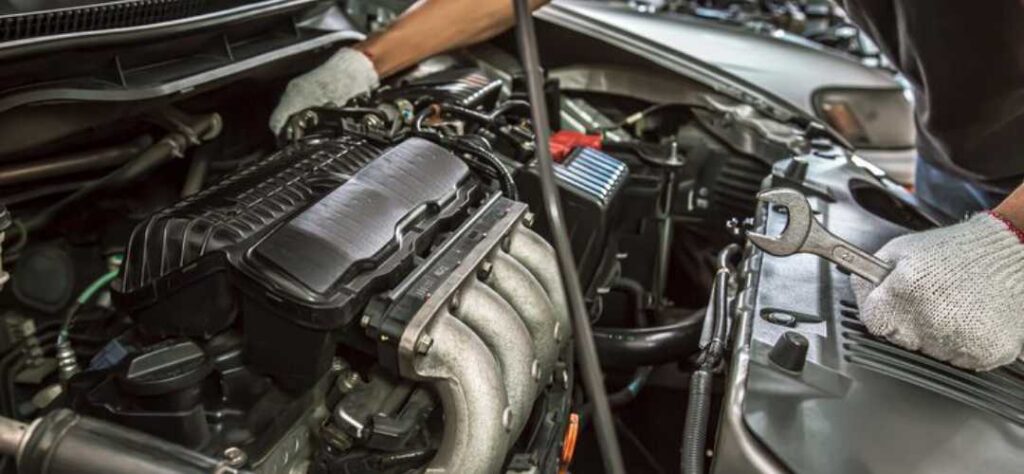
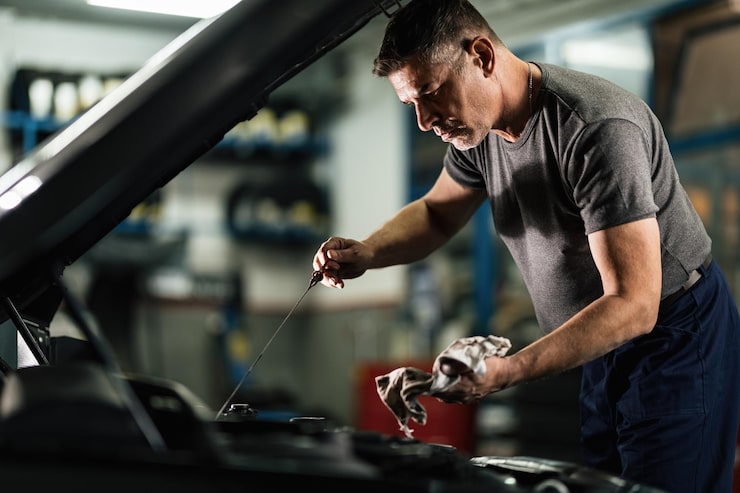
Engine Oil condition and the internal cleanliness is evaluated using special diagnostic equipment by Mechanics. The valve cover is usually removed to do direct inspection of the upper valvetrain by technicians. Mechanical gauges are used to check the oil pressure levels. The bottom pick up screen may require checking and possibly removal of the oil pan. Mechanics will determine the amount of contamination and then determine the safest method for cleaning. This comprehensive check will help the techs not miss pockets of thick residue.
Correct Cleaning Procedures To Remove Engine Oil Sludge
Clearing products using special chemical solutions. Expert Auto Repair in Minneapolis, MN technicians inject safe cleaning agents into the lubrication system prior to draining the old fluid. This aids in solving some problems that could relate to Water Leakage seals or seal/gasket weakness in the inspection. Ongoing fluid movement on and off, helps remove shed particles. Mechanics then fully remove the system fluids to remove all suspended contaminants.
How Oil and Filter Changing Can Avoid Additional Accumulation
In flowing fluid and new filters, deposits can be prevented. At Hage Kobany Transmissions & Auto Service, mechanics always suggest changing filters when servicing transmissions. Filters remove tiny particles that can damage delicate parts of the metal. Optimum pressure is provided across an entire lubrication circuit with the use of Quality replacement filters. It is a simple process that will help you to protect your investment in the long term.
When Severe Sludge Requires Additional Engine Repairs
In some cases, the internal components can be damaged by extreme contamination and cannot be cleaned. Lubrication channels can become clogged which may deprive important Engine Oil to the bearings. Worn bearings must be replaced in order to function properly. If the cylinder heads or timing gears are damaged, mechanics might have to rebuild them. If the motor gets really hard to turn, treat the problem immediately and don’t have to stop the car on the street.
How Regular Auto Repair Maintenance Helps To Minimize Sludge Build-Up
Regular maintenance services ensure your car performs at its best. Heavy fluid degradation is avoided through scheduled checkups with Trusting Hage Kobany Transmissions & Auto Service. Regular maintenance plans help guard against early wear and tear of internal parts. The team at Hage Kobany Transmissions & Auto Service can offer you sound advice based on your personal driving style. Proactive care means your car will last for years.
Frequently Asked Questions
What is the reason for the thick deposits in the motor?
Warm temperatures can cause fluid molecules to decompose over an extended time to form thick deposits. The fluid “gums up” in the old vehicle, and sticks to the internal components.
How often to provide fluid services to avoid accumulation?
It’s important to change the fluids at regular intervals as recommended in your owner’s manual. When maintained on a regular basis, harmful residues will not build up.
Can the motor be cleaned without disassembly, which causes the build-up to be so thick it remains?
Specialized cleaning flushes can often be used to clean up mild to moderate buildup. If the contamination level is high, the components need to be professionally mechanically inspected and targeted for restoration.